Trade show booths are among the most powerful tools for businesses to showcase their products, connect with potential clients, and build brand recognition. Whether you’re attending your first trade show or you’ve been at it for years, maximizing your trade show booth budget is key to achieving your goals without overspending. From the booth design to promotional materials, every aspect should be optimized to provide the best return on investment (ROI).
In this article, we will explore how to make the most of your trade show booth budget, ensuring that every dollar spent delivers maximum impact.
1. Define Clear Objectives
Before you start thinking about your booth design, promotional materials, or any other logistics, it’s crucial to set clear and measurable goals for your trade show participation. Defining objectives helps you focus your efforts and allocate resources where they matter most. Your goals might include:
- Lead Generation: Are you looking to gather potential clients’ contact details for follow-up after the event?
- Brand Awareness: Do you want to introduce your brand to a new market or solidify your presence in your industry?
- Product Launches or Demonstrations: Are you debuting a new product or service that needs visibility and attention?
- Networking and Partnerships: Do you want to connect with industry partners, suppliers, or other businesses?
Once you know what you’re aiming for, you can tailor your booth design and other strategies to directly support these goals, ensuring that your budget is spent efficiently.
2. Choose the Right Trade Show
Not all trade shows are created equal. Depending on your industry, some events may attract a larger or more relevant audience. Instead of attending every trade show, focus on those that align closely with your target demographic. Consider the following when choosing which events to attend:
- Audience Fit: Does the trade show attract the type of people you want to connect with (e.g., potential customers, partners, suppliers)?
- Event Size and Reputation: Larger trade shows may offer more foot traffic, but they often come with higher costs. Smaller, niche trade shows might have a more focused audience and better opportunities for quality engagements.
- Location: Trade shows in cities with high foot traffic or proximity to key markets may result in higher engagement, though they often come with higher costs.
By strategically selecting the right trade show, you avoid wasting resources on events that don’t align with your business goals.
3. Plan Booth Design and Layout Wisely
One of the biggest expenses for trade show exhibitors is the booth itself. However, spending money on a flashy, extravagant booth doesn’t always guarantee success. You can still create an impactful booth while sticking to a reasonable budget. Here’s how:
Modular Booths
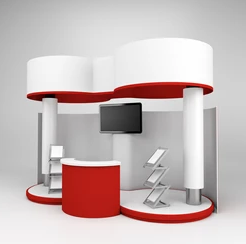
Instead of custom-built booths, consider opting for modular booths. These are pre-fabricated and customizable systems that allow you to create a professional-looking booth without the high costs associated with fully custom booths. Modular designs are also reusable for future trade shows, giving you long-term value.
Compact and Functional Layout
A well-organized, easy-to-navigate booth is more likely to attract attendees. Instead of filling your booth with unnecessary furniture or excessive displays, prioritize functionality. Keep the space open and uncluttered to allow for free movement and interaction. Use simple displays, digital screens, and clear signage to highlight your products or services.
Branding and Visual Appeal
Strong branding is key to attracting attention. Stick to a cohesive color palette, fonts, and logos that reflect your company’s identity. You don’t need elaborate graphics; clean, well-designed banners and signs can make a lasting impression. Additionally, consider incorporating lighting to create ambiance and highlight key areas of your booth, such as a product demo station or display.
4. Leverage Technology
Technology can be a game-changer when it comes to trade show marketing. Here are some ways to integrate tech into your booth without breaking the bank:
Digital Presentations
Instead of spending money on printed brochures or posters, consider using digital screens to showcase your products or services. With a looping video or interactive display, you can engage visitors with compelling visuals, demos, and customer testimonials. Digital presentations are more eco-friendly and cost-effective in the long run since they can be reused at multiple events.
Lead Capture Tools
Instead of manually collecting business cards or relying on paper forms, use lead capture apps that allow you to scan attendee badges or input contact details directly into your CRM system. Some apps even let you add notes about each lead, streamlining follow-up after the event.
Social Media Integration
Promote your trade show presence on social media before, during, and after the event. Use a custom event hashtag to encourage attendees to share their experiences and engage with your brand online. Live-tweeting or posting behind-the-scenes content can also attract more visitors to your booth.
5. Invest in Promotional Items
Promotional giveaways are a staple of trade shows. However, it’s essential to choose items that will leave a lasting impression without draining your budget. Here’s how to maximize your investment in promotional materials:
Quality Over Quantity
Instead of ordering thousands of cheap trinkets, opt for higher-quality, useful items that people will actually use and keep. Items like branded water bottles, notebooks, or portable phone chargers may have a higher upfront cost but will keep your brand in front of potential customers long after the trade show ends.
Targeted Giveaways
Customize your giveaways to match the interests of the trade show attendees. For example, if you’re attending a tech conference, a branded USB drive or wireless charger would resonate well with the crowd. Make sure the item is relevant to your industry and provides practical value.
Branding on Giveaways
Ensure that your promotional items feature clear, prominent branding. Your logo and company name should be visible in a way that makes it easy for recipients to remember where they got the item from.
6. Optimize Staffing for Maximum Impact
Your booth staff plays a crucial role in driving traffic and engaging potential leads. Staffing your booth effectively is a critical element of ensuring that you make the most of your trade show budget.
Train Your Staff
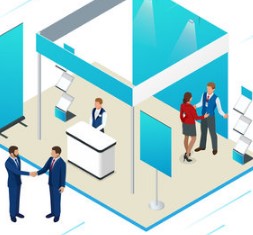
Rather than just sending anyone to your booth, carefully select and train staff members who are knowledgeable about your products or services. They should be approachable, friendly, and skilled at engaging attendees. Well-trained staff can turn casual conversations into valuable leads.
Staff Scheduling
It’s important to have enough staff to cover peak times without overstaffing. Analyze the trade show schedule and adjust your staffing levels accordingly. You want to ensure that your booth is always attended, but not overcrowded.
Engagement Tactics
Empower your staff with strategies for engaging visitors. Consider hosting mini-demos, offering free consultations, or providing interactive experiences that encourage participation. The more engaging your booth is, the more likely attendees will remember you after the event.
7. Pre-Show Marketing
Pre-show marketing is just as important as your presence at the event itself. By letting potential attendees know about your participation in advance, you can drive more traffic to your booth and make your trade show investment more worthwhile.
Email Campaigns
Reach out to your existing customer base, potential leads, and industry contacts via email, informing them of your participation and encouraging them to visit your booth. Include details about what you will showcase and any special promotions you will offer at the show.
Social Media Announcements
Promote your trade show presence on social media platforms well before the event. Create posts, share behind-the-scenes content, and use event hashtags to build excitement. Engaging your audience beforehand increases the chances of a successful outcome once the event begins.
8. Post-Show Follow-Up
The real work begins once the trade show ends. To make the most of your budget, ensure that you follow up with the leads and connections you made during the event.
Lead Nurturing
Organize and segment the leads you collected during the trade show. Reach out within a few days of the event while the interaction is still fresh in their minds. Personalize your communication, referencing specific conversations or demonstrations you had at the booth.
Content Sharing
Offer attendees access to valuable content such as case studies, whitepapers, or product demos. Providing valuable resources helps you stay top of mind and builds trust with potential clients.
Attending trade shows can be a powerful marketing tool when done right. By planning carefully, setting clear objectives, and being strategic with your spending, you can ensure that your booth and participation deliver strong returns without breaking the bank. By following these tips, you can optimize every aspect of your trade show experience—from booth design and technology integration to staffing and post-event follow-up—making the most of your budget and driving meaningful results.